

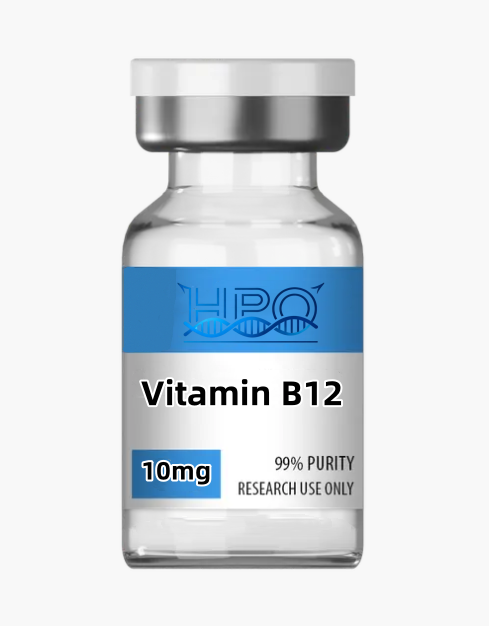
Vitamin B12
$50.00
Vitamin B12 (Methylcobalamin) Peptide: Comprehensive Research Guide Vitamin B12, also known as cobalamin, is a water-soluble vitamin essential for numerous critical physiological functions, including …
DISCLAIMER:
Vitamin B12 (Methylcobalamin) Peptide: Comprehensive Research Guide
Vitamin B12, also known as cobalamin, is a water-soluble vitamin essential for numerous critical physiological functions, including DNA synthesis, red blood cell formation, neurological function, and energy metabolism. The biologically active form of vitamin B12 used in research and supplementation is methylcobalamin, which is the form that circulates in the bloodstream and is readily utilized by cells. With a complex molecular structure centered around a cobalt atom within a corrin ring, vitamin B12 is unique among vitamins in that it contains a metal ion (cobalt) and is synthesized exclusively by certain bacteria and archaea—plants and animals cannot produce vitamin B12, making it an essential nutrient that must be obtained through diet or supplementation.
Vitamin B12 plays a critical role as a cofactor for two essential enzymes in human metabolism: methionine synthase (which catalyzes the conversion of homocysteine to methionine, a reaction essential for DNA synthesis and methylation reactions) and methylmalonyl-CoA mutase (which catalyzes the conversion of methylmalonyl-CoA to succinyl-CoA, a key step in the breakdown of certain amino acids and fatty acids and in energy production). Deficiency of vitamin B12 can lead to serious health consequences, including megaloblastic anemia, neurological damage (peripheral neuropathy, cognitive impairment, depression), elevated homocysteine levels (a risk factor for cardiovascular disease), and fatigue. Researchers worldwide utilize high-purity methylcobalamin to investigate vitamin B12 metabolism, deficiency states, neurological function, cardiovascular health, aging, and the therapeutic potential of vitamin B12 supplementation for a wide range of conditions.
Molecular Structure and Biological Properties
Vitamin B12 (methylcobalamin) has a complex and unique molecular structure that distinguishes it from all other vitamins. Key molecular properties:
- CHEMICAL NAME: Methylcobalamin (Mecobalamin, Methyl-B12)
- MOLECULAR FORMULA: C₆₃H₉₁CoN₁₃O₁₄P
- MOLECULAR WEIGHT: 1344.4 g/mol
- STRUCTURE: Complex organometallic molecule consisting of: (1) a corrin ring (similar to the porphyrin ring in heme, but with two pyrrole rings directly linked) with a central cobalt (Co) atom coordinated to four nitrogen atoms; (2) a nucleotide loop (containing 5,6-dimethylbenzimidazole) attached to the corrin ring via an aminopropanol linker, with the benzimidazole nitrogen coordinating to the cobalt from below; (3) an upper axial ligand (the β-ligand) attached to the cobalt atom—in methylcobalamin, this is a methyl group (-CH₃), distinguishing it from other cobalamin forms (cyanocobalamin has a cyano group -CN, hydroxocobalamin has a hydroxyl group -OH, adenosylcobalamin has a 5′-deoxyadenosyl group)
- SOLUBILITY: Soluble in water and physiological saline; moderately soluble in ethanol; insoluble in ether, acetone, and chloroform
- pKa: Complex due to multiple ionizable groups; stable at neutral pH
- APPEARANCE: Dark red, hygroscopic crystalline powder (due to the cobalt-corrin ring system, which absorbs visible light strongly)
- STABILITY: Stable in neutral and slightly acidic aqueous solutions; sensitive to light (especially UV light), strong acids, strong bases, and oxidizing/reducing agents; methylcobalamin is more stable than some other cobalamin forms and is the biologically active form
- BIOAVAILABILITY: Good oral bioavailability at low doses (via intrinsic factor-mediated absorption in the ileum); high oral doses (>1-2 mg) can be absorbed by passive diffusion even in the absence of intrinsic factor; excellent bioavailability via intramuscular, subcutaneous, or intranasal administration
- HALF-LIFE: Approximately 6 days in plasma (for the body’s total B12 pool, which is primarily stored in the liver, the half-life is much longer—approximately 400 days, due to efficient enterohepatic circulation and storage)
Mechanism of Action and Biological Functions
Vitamin B12 (methylcobalamin) exerts its biological effects primarily through its role as an essential cofactor for two key enzymes in human metabolism, as well as through broader effects on methylation, gene expression, neurological function, and energy metabolism. Key mechanisms and functions include:
- METHIONINE SYNTHASE COFACTOR (FOLATE CYCLE AND METHYLATION): Methylcobalamin serves as an essential cofactor for the enzyme methionine synthase (also known as 5-methyltetrahydrofolate-homocysteine methyltransferase), which catalyzes the transfer of a methyl group from 5-methyltetrahydrofolate (5-methyl-THF, the circulating form of folate) to homocysteine, producing methionine and tetrahydrofolate (THF). This reaction is critical for several essential processes: (1) It regenerates THF, which is required for DNA synthesis (purine and thymidine synthesis)—without vitamin B12, folate becomes “trapped” as 5-methyl-THF (the “methyl trap” hypothesis), leading to functional folate deficiency and impaired DNA synthesis, which causes megaloblastic anemia. (2) It produces methionine, which is converted to S-adenosylmethionine (SAM), the universal methyl donor for over 100 methylation reactions in the body, including DNA methylation, histone methylation, protein methylation, neurotransmitter synthesis, and phospholipid synthesis. (3) It removes homocysteine, a toxic amino acid that, when elevated, is a risk factor for cardiovascular disease, neurological damage, pregnancy complications, and other adverse health outcomes. By serving as a cofactor for methionine synthase, methylcobalamin is thus essential for DNA synthesis, methylation reactions, homocysteine regulation, and overall cellular function.
- METHYLMALONYL-CoA MUTASE COFACTOR (ENERGY METABOLISM AND FATTY ACID BREAKDOWN): The other biologically active form of vitamin B12, adenosylcobalamin (which is synthesized from methylcobalamin in the mitochondria), serves as a cofactor for the enzyme methylmalonyl-CoA mutase, which catalyzes the conversion of methylmalonyl-CoA to succinyl-CoA in the mitochondria. This reaction is a critical step in: (1) The breakdown of certain amino acids (valine, isoleucine, threonine, methionine) and odd-chain fatty acids, which produce methylmalonyl-CoA as an intermediate. (2) Energy production, as succinyl-CoA enters the citric acid cycle (Krebs cycle) to generate ATP. (3) The maintenance of normal myelin (nerve insulation) structure and function, as methylmalonyl-CoA accumulation (due to B12 deficiency) leads to the production of abnormal fatty acids that are incorporated into myelin, causing neurological damage. By supporting methylmalonyl-CoA mutase activity, vitamin B12 is thus essential for energy metabolism, amino acid and fatty acid breakdown, and neurological health.
- NEUROLOGICAL FUNCTION AND NEUROPROTECTION: Vitamin B12 is essential for normal neurological function, and deficiency can cause a wide range of neurological symptoms, including peripheral neuropathy (tingling, numbness, weakness in the extremities), cognitive impairment (memory loss, confusion, dementia), depression, mood disturbances, optic nerve damage, and in severe cases, subacute combined degeneration of the spinal cord (a serious condition involving demyelination of the posterior and lateral columns of the spinal cord). The neurological effects of B12 deficiency are mediated through several mechanisms: (1) Impaired methylation reactions (due to reduced SAM production), which affect the synthesis of myelin basic protein, neurotransmitters, and phospholipids essential for nerve cell membrane structure and function. (2) Accumulation of methylmalonyl-CoA and methylmalonic acid (due to impaired methylmalonyl-CoA mutase activity), which leads to the production of abnormal, potentially neurotoxic fatty acids that are incorporated into myelin, disrupting its structure and function. (3) Elevated homocysteine levels, which are neurotoxic and can cause oxidative stress, endothelial dysfunction, and excitotoxicity in the brain. (4) Impaired DNA synthesis and repair in neurons and glial cells. Methylcobalamin supplementation has been shown to have neuroprotective effects in various models of neurological damage, and is used clinically to treat peripheral neuropathy, diabetic neuropathy, and other neurological conditions associated with B12 deficiency or neuropathy.
- RED BLOOD CELL FORMATION AND HEMATOPOIESIS: Vitamin B12 is essential for normal red blood cell formation (erythropoiesis), and deficiency causes megaloblastic anemia—a condition characterized by the production of large, immature, dysfunctional red blood cells (megaloblasts) that are unable to carry oxygen efficiently. The anemia of B12 deficiency is caused by impaired DNA synthesis (due to the “methyl trap” and functional folate deficiency), which prevents red blood cell precursors in the bone marrow from dividing and maturing properly. In addition to red blood cells, B12 deficiency can also affect white blood cells and platelets, leading to pancytopenia (reduced levels of all blood cell types) in severe cases. Methylcobalamin supplementation corrects the anemia of B12 deficiency by restoring normal DNA synthesis and erythropoiesis, and is used clinically to treat megaloblastic anemia due to B12 deficiency, pernicious anemia (an autoimmune condition causing B12 malabsorption), and other forms of B12 deficiency.
- CARDIOVASCULAR HEALTH AND HOMOCYSTEINE REGULATION: Vitamin B12 plays a critical role in cardiovascular health through its effects on homocysteine metabolism. Homocysteine is a sulfur-containing amino acid that, when elevated (hyperhomocysteinemia), is an independent risk factor for cardiovascular disease, including coronary artery disease, stroke, peripheral artery disease, and venous thromboembolism. Elevated homocysteine can cause endothelial dysfunction, oxidative stress, inflammation, proliferation of vascular smooth muscle cells, and increased thrombogenicity, all of which contribute to atherosclerosis and cardiovascular disease. Vitamin B12 (as a cofactor for methionine synthase) is essential for the remethylation of homocysteine to methionine, and B12 deficiency is a common cause of elevated homocysteine levels. Methylcobalamin supplementation, often in combination with folic acid and vitamin B6, can lower homocysteine levels and may reduce cardiovascular risk, particularly in individuals with elevated homocysteine or B12 deficiency. However, the relationship between homocysteine lowering and cardiovascular events is complex, and clinical trials have shown mixed results, with the greatest benefits seen in individuals with severe hyperhomocysteinemia or specific genetic polymorphisms (such as MTHFR C677T).
- ENERGY METABOLISM AND FATIGUE REDUCTION: Vitamin B12 is involved in energy metabolism through its role as a cofactor for methylmalonyl-CoA mutase (which produces succinyl-CoA for the citric acid cycle) and through its broader effects on cellular metabolism and mitochondrial function. B12 deficiency is commonly associated with fatigue, weakness, low energy, and reduced exercise tolerance, which are caused by a combination of anemia (reduced oxygen delivery), impaired energy production, and neurological effects. Methylcobalamin supplementation can improve energy levels and reduce fatigue in individuals with B12 deficiency, and is sometimes used (often in combination with other B vitamins) to boost energy, improve exercise performance, and reduce fatigue in various populations, including athletes, older adults, and individuals with chronic fatigue syndrome. However, in individuals with normal B12 levels, supplementation may not provide additional energy benefits.
- COGNITIVE FUNCTION AND MENTAL HEALTH: Vitamin B12 is essential for normal cognitive function and mental health, and deficiency is associated with cognitive impairment, memory loss, confusion, depression, anxiety, irritability, and in severe cases, psychosis and dementia. The neurological and psychiatric effects of B12 deficiency are mediated through impaired methylation reactions (affecting neurotransmitter synthesis, including serotonin, dopamine, and norepinephrine), elevated homocysteine (neurotoxic and associated with depression and cognitive decline), impaired myelin synthesis and maintenance, and reduced energy production in the brain. Low B12 levels have been associated with an increased risk of Alzheimer’s disease, vascular dementia, and age-related cognitive decline, although the causal relationship is still being investigated. Methylcobalamin supplementation may improve cognitive function and mood in individuals with B12 deficiency, and is being investigated as a potential adjunctive treatment for depression, cognitive impairment, and neurodegenerative diseases, particularly in combination with folic acid and vitamin B6.
Research Applications
1. Vitamin B12 Deficiency and Malabsorption Research
Vitamin B12 (methylcobalamin) is most extensively studied in the context of B12 deficiency, its causes, consequences, and treatment:
- Pernicious Anemia and Autoimmune B12 Deficiency: Research into pernicious anemia, an autoimmune condition characterized by the production of autoantibodies against intrinsic factor (a protein produced by parietal cells in the stomach that is essential for B12 absorption in the ileum) and/or gastric parietal cells, leading to B12 malabsorption and deficiency. Pernicious anemia is the most common cause of severe B12 deficiency in many populations, particularly older adults, and is associated with an increased risk of other autoimmune conditions (including thyroid disease, type 1 diabetes, and Addison’s disease). Research is investigating the genetic and environmental factors that contribute to pernicious anemia, the long-term consequences of B12 deficiency in these patients, and the optimal treatment strategies (including high-dose oral methylcobalamin vs. intramuscular B12 injections, which have been shown to be equally effective in many cases due to passive diffusion at high doses).
- Food-Cobalamin Malabsorption and Age-Related B12 Deficiency: Studies investigating food-cobalamin malabsorption, a condition in which B12 is present in food but cannot be released from food proteins due to reduced stomach acid (hypochlorhydria) or pancreatic enzyme deficiency, leading to B12 deficiency despite adequate dietary intake. Food-cobalamin malabsorption is increasingly recognized as a common cause of B12 deficiency, particularly in older adults (who often have reduced stomach acid due to atrophic gastritis or long-term use of acid-suppressing medications), individuals on long-term proton pump inhibitor (PPI) or H2 blocker therapy, and individuals with pancreatic insufficiency. Research is investigating the prevalence, risk factors, and optimal treatment of food-cobalamin malabsorption, including the use of high-dose oral methylcobalamin (which can be absorbed by passive diffusion independent of intrinsic factor and stomach acid) as a convenient and effective treatment option.
- Gastrointestinal Disorders and B12 Malabsorption: Research into B12 deficiency associated with gastrointestinal disorders that affect the stomach, ileum, or pancreas, including atrophic gastritis, gastric bypass surgery (particularly Roux-en-Y gastric bypass and sleeve gastrectomy, which reduce stomach acid production and/or bypass the ileum where B12 is absorbed), Crohn’s disease (which often affects the terminal ileum), celiac disease, small intestinal bacterial overgrowth (SIBO, where bacteria consume B12), tapeworm infection (Diphyllobothrium latum, which consumes B12 in the intestine), and pancreatic insufficiency. Research is investigating the prevalence and severity of B12 deficiency in these conditions, the optimal screening and monitoring strategies, and the most effective treatment approaches (including high-dose oral methylcobalamin, sublingual B12, intranasal B12, or intramuscular B12 injections, depending on the severity and cause of malabsorption).
- Dietary B12 Deficiency in Vegans and Vegetarians: Studies investigating B12 deficiency in individuals following vegan or vegetarian diets, who are at increased risk of B12 deficiency because vitamin B12 is found almost exclusively in animal products (meat, fish, eggs, dairy), with only small amounts in certain fortified foods and supplements. While vegetarians who consume eggs and dairy may obtain adequate B12, vegans are at particularly high risk, and even vegetarians may have suboptimal B12 levels. Research is investigating the prevalence of B12 deficiency in vegan and vegetarian populations, the long-term health consequences (including neurological damage, cognitive impairment, elevated homocysteine, and pregnancy complications), and the optimal supplementation strategies (including the dose, frequency, and form of B12—methylcobalamin vs. cyanocobalamin vs. hydroxocobalamin) to maintain adequate B12 status in these populations. High-dose oral methylcobalamin supplementation is generally recommended for vegans and vegetarians to ensure adequate B12 status.
- B12 Deficiency in Special Populations: Research into B12 deficiency in special populations at increased risk, including older adults (who have reduced stomach acid and increased prevalence of atrophic gastritis and pernicious anemia), pregnant and breastfeeding women (who have increased B12 requirements and are at risk of deficiency due to increased demand and potential malabsorption), infants and children (who are at risk of severe deficiency if their mothers are B12-deficient during pregnancy and breastfeeding, and who may experience irreversible neurological damage if deficiency is not detected and treated early), individuals with HIV/AIDS (who have increased B12 requirements and malabsorption), and individuals taking certain medications (including metformin, which can reduce B12 absorption, and long-term PPI/H2 blockers, which reduce stomach acid and B12 release from food). Research is investigating the optimal screening, prevention, and treatment strategies for B12 deficiency in these vulnerable populations.
2. Neurological and Neurodegenerative Disease Research
Vitamin B12 (methylcobalamin) is extensively studied in neurological and neurodegenerative disease research for its essential role in neurological function and its potential neuroprotective effects:
- Peripheral Neuropathy and Diabetic Neuropathy: Research into methylcobalamin for the treatment of peripheral neuropathy, including diabetic peripheral neuropathy (a common complication of diabetes affecting the nerves in the extremities), chemotherapy-induced peripheral neuropathy, HIV-associated neuropathy, alcoholic neuropathy, and idiopathic peripheral neuropathy. Peripheral neuropathy is characterized by tingling, numbness, pain, weakness, and sensory loss in the extremities, and can significantly impact quality of life. Methylcobalamin has been shown to have neuroprotective and nerve-regenerating effects in preclinical studies, including promotion of nerve growth factor (NGF) synthesis, enhancement of nerve regeneration, improvement of nerve conduction velocity, and reduction of neuropathic pain. Clinical trials have shown that high-dose methylcobalamin (often administered intramuscularly or intravenously, or in high oral doses) can improve symptoms and nerve function in various forms of peripheral neuropathy, particularly diabetic neuropathy, although results have been mixed and more high-quality trials are needed. Research is investigating the optimal dose, route of administration, treatment duration, and combination therapies (including combinations with other B vitamins, alpha-lipoic acid, or acetyl-L-carnitine) for peripheral neuropathy.
- Cognitive Impairment and Dementia: Studies investigating the relationship between vitamin B12 status, cognitive function, and the risk of dementia, including Alzheimer’s disease and vascular dementia. Low B12 levels and elevated homocysteine have been associated with an increased risk of cognitive decline, Alzheimer’s disease, and dementia in observational studies, potentially through mechanisms including homocysteine-induced neurotoxicity, oxidative stress, endothelial dysfunction, impaired methylation reactions, and reduced myelin synthesis and maintenance. However, randomized controlled trials of B vitamin supplementation (including B12, folic acid, and B6) for the prevention or treatment of cognitive decline and dementia have shown mixed results, with some trials showing benefits in specific subgroups (such as individuals with high homocysteine levels or early cognitive impairment) and others showing no significant effect. Research is ongoing to identify the populations most likely to benefit from B12 supplementation, the optimal timing and dose of supplementation, and the potential role of methylcobalamin (which may have better neurological effects than cyanocobalamin due to its direct biological activity) in cognitive health and dementia prevention.
- Depression and Mental Health: Research into the relationship between vitamin B12 status, depression, and other mental health conditions, including anxiety, bipolar disorder, and schizophrenia. Low B12 levels and elevated homocysteine have been associated with an increased risk of depression, worse depressive symptoms, and poorer response to antidepressant treatment in observational studies, potentially through mechanisms including impaired neurotransmitter synthesis (serotonin, dopamine, norepinephrine), elevated homocysteine (which is associated with depression and may cause neuroinflammation and oxidative stress), and impaired methylation reactions (which affect gene expression and neurotransmitter metabolism). Some clinical trials have shown that B12 supplementation (in combination with folic acid and B6) can enhance the response to antidepressant treatment and reduce depressive symptoms, particularly in individuals with low B12 levels or high homocysteine. Research is investigating the role of methylcobalamin in the treatment of depression and other mental health conditions, the optimal dose and formulation, and the potential benefits of combination therapy with antidepressants or other treatments.
- Neurodegenerative Diseases (Alzheimer’s, Parkinson’s, ALS): Emerging research into the potential role of vitamin B12 (methylcobalamin) in neurodegenerative diseases, including Alzheimer’s disease, Parkinson’s disease, amyotrophic lateral sclerosis (ALS), and multiple sclerosis (MS). While B12 deficiency can cause neurological symptoms that mimic these conditions (and should be ruled out in the diagnostic workup), research is also investigating whether B12 supplementation may have therapeutic benefits in these diseases through its neuroprotective, anti-inflammatory, antioxidant, and methylation-supporting effects. For example, in Parkinson’s disease, B12 deficiency is common and may contribute to neuropathy and cognitive decline, and supplementation may improve these symptoms. In ALS, some studies have suggested that high-dose methylcobalamin may have neuroprotective effects and slow disease progression, although more research is needed. In MS, B12 deficiency can mimic or exacerbate MS symptoms, and supplementation may be beneficial in deficient patients. Research is ongoing to investigate the potential therapeutic role of methylcobalamin in various neurodegenerative diseases, the optimal dose and route of administration, and the mechanisms underlying any observed benefits.
- Optic Nerve and Visual Function: Research into the effects of vitamin B12 on optic nerve function and visual health. B12 deficiency can cause optic neuropathy (damage to the optic nerve), characterized by progressive, painless vision loss, color vision impairment, and central scotomas (blind spots), which can be irreversible if not treated promptly. The optic neuropathy of B12 deficiency is caused by demyelination and axonal damage in the optic nerve, mediated through impaired methylation reactions and elevated homocysteine. Research is investigating the optimal treatment of B12-deficiency optic neuropathy (including high-dose methylcobalamin, often administered intramuscularly or intravenously for rapid repletion), the potential role of B12 in other optic neuropathies (such as Leber’s hereditary optic neuropathy, glaucoma, and optic neuritis), and the relationship between B12 status and visual function in various populations.
3. Cardiovascular Disease and Homocysteine Research
Vitamin B12 (methylcobalamin) is studied in cardiovascular research for its role in homocysteine regulation and its potential effects on cardiovascular health:
- Homocysteine Metabolism and Hyperhomocysteinemia: Research into the regulation of homocysteine metabolism, the causes and consequences of hyperhomocysteinemia (elevated homocysteine levels), and the role of vitamin B12 in homocysteine lowering. Homocysteine is metabolized through two main pathways: (1) remethylation to methionine, which requires vitamin B12 (as methylcobalamin, a cofactor for methionine synthase) and folate (as 5-methyl-THF, the methyl donor), and (2) transsulfuration to cysteine, which requires vitamin B6 (as pyridoxal phosphate, a cofactor for cystathionine β-synthase). Deficiencies of B12, folate, or B6 can cause elevated homocysteine, with B12 deficiency being a particularly common and important cause, especially in older adults and individuals with malabsorption. Research is investigating the genetic factors (such as MTHFR C677T and A1298C polymorphisms, MTRR A66G, and others) that influence homocysteine levels and response to B vitamin supplementation, the optimal combinations and doses of B vitamins for homocysteine lowering, and the relationship between homocysteine lowering and cardiovascular outcomes.
- Cardiovascular Disease Prevention: Studies investigating the role of vitamin B12 supplementation (often in combination with folic acid and vitamin B6) in the prevention of cardiovascular disease, including coronary artery disease, myocardial infarction (heart attack), stroke, peripheral artery disease, and cardiovascular mortality. Elevated homocysteine is an independent risk factor for cardiovascular disease, and it was initially hypothesized that lowering homocysteine with B vitamins would reduce cardiovascular events. However, large randomized controlled trials have shown mixed results, with some trials showing no significant reduction in cardiovascular events with B vitamin supplementation, while others have shown benefits in specific subgroups (such as individuals with severe hyperhomocysteinemia, chronic kidney disease, or low baseline B vitamin status, or in regions without mandatory folic acid fortification). The mixed results may be due to several factors, including the inclusion of populations with already adequate B vitamin status (due to folic acid fortification), the use of cyanocobalamin (which may be less effective than methylcobalamin, particularly in individuals with certain genetic polymorphisms or impaired B12 metabolism), and the complex relationship between homocysteine and cardiovascular disease (homocysteine may be a marker rather than a cause of cardiovascular disease in some contexts). Research is ongoing to identify the populations most likely to benefit from B12 supplementation for cardiovascular prevention, the optimal form and dose of B12, and the potential benefits of methylcobalamin (which may have advantages over cyanocobalamin due to its direct biological activity and lack of cyanide exposure).
- Stroke Prevention and Recovery: Research into the role of vitamin B12 in stroke prevention and recovery. Elevated homocysteine is a particularly strong risk factor for stroke (especially ischemic stroke), and B vitamin supplementation may have greater benefits for stroke prevention than for coronary artery disease, as suggested by some clinical trials and meta-analyses. The China Stroke Primary Prevention Trial (CSPPT) showed that folic acid supplementation (in combination with enalapril) significantly reduced the risk of first stroke in adults with hypertension, particularly in those with low folate levels and certain MTHFR genotypes. Research is investigating the role of B12 (in combination with folic acid and B6) in stroke prevention, particularly in regions without folic acid fortification and in populations with high homocysteine or low B12 status. In addition, research is investigating the potential role of B12 supplementation in stroke recovery, including its effects on neurological recovery, cognitive function, and rehabilitation outcomes after stroke, potentially through its neuroprotective, anti-inflammatory, and methylation-supporting effects.
- Peripheral Artery Disease and Venous Thromboembolism: Studies investigating the relationship between vitamin B12 status, homocysteine levels, and the risk of peripheral artery disease (PAD) and venous thromboembolism (VTE, including deep vein thrombosis and pulmonary embolism). Elevated homocysteine has been associated with an increased risk of PAD and VTE in observational studies, potentially through mechanisms including endothelial dysfunction, oxidative stress, increased thrombogenicity (enhanced platelet aggregation and coagulation factor activation), and impaired fibrinolysis. Research is investigating whether B vitamin supplementation (including B12) can reduce the risk of PAD and VTE, or improve outcomes in patients with these conditions, particularly in individuals with elevated homocysteine or B12 deficiency. While the results have been mixed, B12 supplementation may be beneficial in specific subgroups, and more research is needed to clarify the role of B12 in these conditions.
4. Pregnancy, Fertility, and Developmental Health Research
Vitamin B12 (methylcobalamin) is studied in pregnancy and developmental health research for its essential role in fetal development and maternal health:
- Pregnancy Outcomes and B12 Deficiency: Research into the effects of maternal vitamin B12 status on pregnancy outcomes, including the risk of miscarriage, preterm birth, low birth weight, intrauterine growth restriction (IUGR), neural tube defects (NTDs), and other birth defects. Vitamin B12 is essential for DNA synthesis, cell division, and methylation reactions, all of which are critical during embryonic and fetal development. Maternal B12 deficiency during pregnancy has been associated with an increased risk of adverse pregnancy outcomes, including miscarriage, preterm birth, low birth weight, and neural tube defects (similar to folate deficiency, as B12 and folate work together in the folate cycle and methylation reactions). The risk is particularly high in populations with low B12 status, such as vegans/vegetarians, individuals with malabsorption, and populations in regions with low B12 intake. Research is investigating the optimal B12 status and supplementation during pregnancy, the potential benefits of combined B12 and folic acid supplementation for the prevention of neural tube defects and other birth defects, and the long-term effects of maternal B12 deficiency on child health and development.
- Fetal and Infant Development: Studies investigating the effects of maternal vitamin B12 status on fetal and infant development, including brain development, cognitive function, neurological development, immune function, and metabolic health. Vitamin B12 is essential for normal brain development, as it is required for myelin synthesis, neurotransmitter production, DNA synthesis, and methylation reactions in the developing brain. Maternal B12 deficiency during pregnancy and breastfeeding can lead to severe B12 deficiency in infants, which can cause irreversible neurological damage, including developmental delay, hypotonia (low muscle tone), failure to thrive, seizures, cognitive impairment, and in severe cases, death. Even subclinical B12 deficiency in mothers may have subtle but potentially long-lasting effects on child cognitive and neurological development. Research is investigating the critical windows of B12 exposure during pregnancy and infancy, the optimal B12 status for optimal child development, the potential benefits of B12 supplementation during pregnancy and breastfeeding for child health outcomes, and the long-term effects of early B12 deficiency on adult health (including the developmental origins of health and disease, DOHaD, hypothesis).
- Fertility and Reproductive Health: Research into the role of vitamin B12 in fertility and reproductive health, including male and female fertility, sperm quality, ovulation, implantation, and the success of assisted reproductive technologies (ART, such as IVF). Vitamin B12 is essential for DNA synthesis and cell division, which are critical for gamete (sperm and egg) production, fertilization, and early embryonic development. B12 deficiency has been associated with reduced sperm count, motility, and morphology in men, and with ovulatory dysfunction, implantation failure, and reduced fertility in women. Elevated homocysteine (caused by B12 or folate deficiency) has also been associated with reduced fertility and increased risk of miscarriage, potentially through oxidative stress, endothelial dysfunction, and impaired methylation. Research is investigating the role of B12 supplementation (often in combination with folic acid and other antioxidants) in improving fertility and reproductive outcomes, both in natural conception and in assisted reproductive technologies, and the optimal B12 status for fertility.
- Breastfeeding and Infant B12 Status: Studies investigating the transfer of vitamin B12 from mother to infant through breast milk, the B12 content of breast milk in relation to maternal B12 status, and the prevention and treatment of B12 deficiency in breastfed infants. Breast milk is the primary source of B12 for exclusively breastfed infants, and its B12 content is directly dependent on maternal B12 status—mothers with B12 deficiency produce breast milk with low B12 content, which can lead to severe B12 deficiency in their infants, even if the mother has no obvious symptoms. B12 deficiency in exclusively breastfed infants of deficient mothers can develop rapidly (within the first few months of life) and can cause severe, potentially irreversible neurological damage if not detected and treated promptly. Research is investigating the optimal B12 supplementation for breastfeeding mothers to ensure adequate B12 content in breast milk, the screening and monitoring of B12 status in breastfed infants (particularly those of vegan/vegetarian mothers or mothers with malabsorption), and the treatment of B12 deficiency in infants (often with high-dose methylcobalamin, administered orally or by injection, depending on the severity).
5. Aging, Longevity, and Quality of Life Research
Vitamin B12 (methylcobalamin) is studied in aging and longevity research for its essential role in maintaining health and function in older adults:
- B12 Status in Older Adults: Research into the prevalence, causes, and consequences of vitamin B12 deficiency in older adults, who are at particularly high risk due to reduced stomach acid (atrophic gastritis), increased prevalence of pernicious anemia, reduced dietary intake, medication use (PPIs, H2 blockers, metformin), and reduced B12 absorption. B12 deficiency affects approximately 10-30% of older adults, depending on the definition used and population studied, and is often underdiagnosed because the symptoms (fatigue, cognitive impairment, depression, neuropathy) can be nonspecific and may be attributed to aging or other conditions. Research is investigating the optimal screening strategies for B12 deficiency in older adults (including the use of methylmalonic acid and holotranscobalamin as more sensitive markers than serum B12 alone), the long-term consequences of untreated B12 deficiency in this population (including cognitive decline, dementia, falls, fractures, disability, and mortality), and the most effective treatment and prevention strategies (including high-dose oral methylcobalamin, which is effective even in individuals with malabsorption due to passive diffusion at high doses).
- Cognitive Health and Dementia Prevention: Studies investigating the role of vitamin B12 in maintaining cognitive health and preventing cognitive decline and dementia in older adults. Low B12 levels and elevated homocysteine have been associated with an increased risk of cognitive decline, Alzheimer’s disease, and dementia in older adults, potentially through homocysteine-induced neurotoxicity, oxidative stress, impaired methylation, and reduced myelin maintenance. The “B-Vitamin Atherosclerosis Intervention Trial” (BVAIT) and the “VITACOG” trial showed that high-dose B vitamin supplementation (folic acid, B12, B6) significantly reduced brain atrophy and cognitive decline in individuals with mild cognitive impairment (MCI) and high homocysteine levels, suggesting that B12 supplementation may be beneficial in this specific subgroup. However, other trials in individuals with normal B12 status or established dementia have shown less consistent benefits. Research is ongoing to identify the populations most likely to benefit from B12 supplementation for cognitive health, the optimal timing (early in the course of cognitive decline, before irreversible damage occurs), and the potential advantages of methylcobalamin over cyanocobalamin for neurological outcomes.
- Physical Function, Falls, and Frailty: Research into the relationship between vitamin B12 status, physical function, muscle strength, balance, falls, fractures, and frailty in older adults. B12 deficiency can cause peripheral neuropathy, proprioception impairment (loss of sense of body position), muscle weakness, fatigue, and cognitive impairment, all of which can increase the risk of falls, fractures, disability, and frailty in older adults. Observational studies have shown that low B12 levels and elevated homocysteine are associated with reduced muscle strength, impaired balance, increased risk of falls and fractures, and greater frailty in older adults. Research is investigating whether B12 supplementation can improve physical function, reduce falls and fractures, and prevent or treat frailty in B12-deficient older adults, potentially through improvements in neurological function, muscle strength, energy metabolism, and cognitive function. While the results have been mixed, B12 supplementation may be beneficial in deficient individuals, and more research is needed to clarify the role of B12 in physical function and frailty in older adults.
- Energy, Fatigue, and Quality of Life: Studies investigating the effects of vitamin B12 supplementation on energy levels, fatigue, quality of life, and well-being in various populations, including older adults, individuals with B12 deficiency, individuals with chronic fatigue syndrome, and athletes. B12 deficiency is commonly associated with fatigue, weakness, low energy, and reduced quality of life, and supplementation can significantly improve these symptoms in deficient individuals. In individuals with normal B12 levels, the evidence for additional energy benefits from supplementation is less clear, although some studies have shown improvements in fatigue and well-being with high-dose B12 supplementation, particularly in individuals with suboptimal B12 status or high homocysteine. Research is investigating the role of methylcobalamin (often in combination with other B vitamins) in reducing fatigue and improving quality of life, the optimal dose and route of administration, and the populations most likely to benefit.
Product Specifications
| Parameter | Value |
|---|---|
| Compound Name | Vitamin B12 (Methylcobalamin) |
| Synonyms | Mecobalamin, Methyl-B12, Methylcobalamine, α-(5,6-Dimethylbenzimidazol-1-yl)cobamide methyl |
| CAS Number | 13422-55-4 |
| Molecular Formula | C₆₃H₉₁CoN₁₃O₁₄P |
| Molecular Weight | 1344.4 g/mol |
| Purity | ≥98% (HPLC verified) |
| Appearance | Dark red, hygroscopic crystalline powder |
| Solubility | Soluble in water, physiological saline; sparingly soluble in ethanol |
| Specific Rotation | [α]₂₀ᴰ = +53° to +59° (c=1, water) |
| Water Content | ≤12% (Karl Fischer, hygroscopic) |
| pH (1% solution) | 4.0 – 6.0 |
| Assay (anhydrous basis) | 96.0% – 102.0% |
| Storage | 2-8°C (refrigerated), sealed, protected from light and moisture |
| Shelf Life | 24 months from date of manufacture (when stored properly) |
Reconstitution and Handling Guidelines
For optimal results in laboratory research and supplementation:
- Allow the vial to equilibrate to room temperature before opening to prevent condensation (methylcobalamin is hygroscopic)
- Reconstitute with sterile water, 0.9% NaCl, or PBS to a desired concentration (typically 1-10 mg/mL; methylcobalamin is readily soluble in water)
- Gently swirl or invert the vial until complete dissolution; avoid vigorous shaking, which can cause foaming and potential degradation
- For cell culture experiments, filter-sterilize the reconstituted solution using a 0.22 μm filter
- Aliquot into working volumes to avoid repeated freeze-thaw cycles and exposure to light
- Store lyophilized powder at 2-8°C (refrigerated), protected from light and moisture; store reconstituted solutions at -20°C or -80°C for long-term use, protected from light
- Reconstituted solutions are stable for 7-14 days at 2-8°C (protected from light) and up to 3 months at -20°C
- CRITICAL: Methylcobalamin is highly sensitive to light (especially UV light)—always protect solutions and powder from light during storage, handling, and experiments; use amber vials or wrap vials in aluminum foil
- Avoid exposure to strong acids, strong bases, oxidizing agents, and reducing agents, which can degrade methylcobalamin or convert it to other cobalamin forms
Frequently Asked Questions (FAQ)
Q1: What is the difference between methylcobalamin, cyanocobalamin, hydroxocobalamin, and adenosylcobalamin?
These are all forms of vitamin B12 (cobalamins) that differ in the upper axial ligand (the group attached to the cobalt atom), which affects their stability, bioavailability, biological activity, and therapeutic uses:
– Methylcobalamin: The upper ligand is a methyl group (-CH₃). This is one of the two biologically active forms of B12 (the other being adenosylcobalamin), and is the form that circulates in the bloodstream. It is directly usable by the enzyme methionine synthase without requiring conversion, making it particularly beneficial for neurological function and methylation reactions. It is more expensive than cyanocobalamin but may have advantages for neurological conditions, individuals with impaired B12 metabolism (such as MTHFR or MTRR polymorphisms), and those seeking the most bioavailable form. It is sensitive to light.
– Cyanocobalamin: The upper ligand is a cyano group (-CN). This is the most common and least expensive form of B12, used in many supplements and fortified foods. It is not biologically active itself and must be converted in the body to methylcobalamin and adenosylcobalamin. The conversion process is efficient in most people, but may be impaired in individuals with certain genetic polymorphisms, liver disease, or severe B12 deficiency. Cyanocobalamin contains a small amount of cyanide (about 25 mcg per 1000 mcg dose), which is well below toxic levels and is normally detoxified by the body, but some individuals prefer to avoid it. It is more stable than methylcobalamin.
– Hydroxocobalamin: The upper ligand is a hydroxyl group (-OH). This form is naturally occurring and is often used in injectable B12 preparations, particularly in Europe. It is converted in the body to the active forms, and has a longer half-life than cyanocobalamin (it binds more tightly to transcobalamin, leading to slower excretion and higher tissue retention). It is also used as an antidote for cyanide poisoning (the hydroxyl group is replaced by cyanide, forming cyanocobalamin, which is then excreted). It may cause mild skin discoloration (reddish urine) at high doses.
– Adenosylcobalamin (Dibencozide): The upper ligand is a 5′-deoxyadenosyl group. This is the other biologically active form of B12, and is the form found primarily in the mitochondria, where it serves as a cofactor for methylmalonyl-CoA mutase. It is directly involved in energy metabolism and may be particularly beneficial for fatigue, energy production, and metabolic conditions. It is less commonly used as a supplement due to its higher cost and lower stability, but is available in some formulations.
In summary, methylcobalamin and adenosylcobalamin are the biologically active forms that can be directly used by the body without conversion, while cyanocobalamin and hydroxocobalamin are precursor forms that must be converted. Methylcobalamin is generally considered the most effective form for neurological and methylation-related conditions, and is the form used in our product.
Q2: What purity level is recommended for research?
For most research applications, ≥98% purity (HPLC verified) is recommended. Our methylcobalamin meets this standard and undergoes comprehensive quality control, including HPLC purity analysis, mass spectrometry verification (confirming molecular weight of 1344.4 g/mol and correct structure), identity testing (UV-Vis spectroscopy, which shows characteristic absorption peaks at ~266 nm, ~362 nm, and ~522 nm for methylcobalamin), specific rotation measurement, water content determination, pH testing, assay verification, heavy metal testing, and microbial screening. For highly sensitive in vivo studies, cell culture experiments, or clinical research, we can provide ≥99% purity with additional quality testing (including residual solvent testing, bioburden testing, endotoxin testing, and detailed impurity profiling) upon request. Note that methylcobalamin’s complex organometallic structure and light sensitivity require careful manufacturing and storage to maintain purity and biological activity, and our GMP manufacturing process ensures consistent quality across batches with full traceability and comprehensive quality documentation. Researchers should note that methylcobalamin is a light-sensitive compound, and even small amounts of degradation (which can occur with improper storage or light exposure) could potentially affect experimental results, particularly in sensitive assays, making high-purity material with verified stability essential for reliable research.
Q3: Can methylcobalamin be used in cell culture experiments?
Yes, methylcobalamin is suitable for cell culture experiments with a wide variety of cell types, particularly neurons (primary neurons, SH-SY5Y, PC12), glial cells (astrocytes, oligodendrocytes, microglia), hematopoietic cells (bone marrow cells, erythroleukemia cell lines), hepatocytes (HepG2, primary hepatocytes), endothelial cells (HUVEC), and various other cell types. Methylcobalamin is readily soluble in standard culture media, although it is light-sensitive and should be protected from light during preparation and experiments. Typical working concentrations range from 1 ng/mL to 100 μg/mL (approximately 0.75 nM to 75 μM), depending on the cell type and assay. Physiological concentrations of B12 in plasma are approximately 200-900 pg/mL (0.15-0.67 nM), but higher concentrations are often used in cell culture to ensure adequate cellular uptake and biological effects. Methylcobalamin is generally well-tolerated by cells at concentrations up to 100 μg/mL, although very high concentrations (>1 mg/mL) may cause cytotoxicity in some cell types. For extended experiments (>48-72 hours), refresh media with fresh methylcobalamin every 24-48 hours, as the compound may degrade over time in culture media at 37°C, particularly with exposure to light. Filter-sterilize reconstituted solutions before adding to cell cultures. Methylcobalamin’s direct biological activity (as a cofactor for methionine synthase) makes it a valuable tool for studying methylation reactions, homocysteine metabolism, DNA synthesis, neuronal function, and cellular metabolism. Researchers should note that methylcobalamin is light-sensitive, and experiments should be conducted in low-light conditions or with light-protected culture vessels to prevent degradation. Appropriate controls (including cyanocobalamin, hydroxocobalamin, and adenosylcobalamin) can be used to compare the effects of different B12 forms on cellular function.
Q4: What is the typical dosage range for animal studies and human supplementation?
Dosage varies by species, administration route, and research objective. Methylcobalamin can be administered orally, sublingually, intranasally, subcutaneously, intramuscularly, or intravenously. Common dosage ranges include:
– Rodents (oral): 0.1-10 mg/kg/day, typically administered by oral gavage or in drinking water
– Rodents (injection): 0.01-5 mg/kg (SC/IM/IP), typically administered once daily or several times per week
– Rabbits/guinea pigs: 0.01-1 mg/kg (oral or injection)
– Primates: 0.001-0.1 mg/kg (oral or injection)
– Humans (oral supplementation for deficiency): 1000-2000 mcg (1-2 mg) per day, or 1000 mcg twice daily; high-dose oral therapy (1000-2000 mcg/day) is effective even in pernicious anemia and malabsorption due to passive diffusion
– Humans (oral supplementation for maintenance/neuropathy): 500-5000 mcg per day, depending on the indication and individual status
– Humans (sublingual): 1000-5000 mcg per day, dissolved under the tongue for enhanced absorption
– Humans (intramuscular/injectable): 1000 mcg (1 mg) per day for 1-2 weeks (loading phase), then 1000 mcg per week or per month (maintenance phase); for severe deficiency or neurological symptoms, higher doses (up to 1000 mcg 2-3 times per week) may be used initially
– Humans (intranasal): 500 mcg per nostril once or twice weekly (for maintenance after initial repletion)
Methylcobalamin is generally considered safe even at very high doses (up to 10,000 mcg/day orally), as excess B12 is excreted in the urine and there is no known toxic dose. However, very high doses may cause mild side effects in some individuals, including diarrhea, skin rash, acne, or headache. For B12 deficiency treatment, the optimal route and dose depend on the cause and severity of deficiency: severe deficiency with neurological symptoms may require initial injectable therapy for rapid repletion, while mild deficiency or maintenance can be treated with high-dose oral methylcobalamin. Researchers should consult relevant literature and perform dose-response studies to optimize protocols for their specific applications, and should carefully monitor B12 status (serum B12, methylmalonic acid, homocysteine, holotranscobalamin) to assess treatment response.
Q5: How does methylcobalamin compare to other B vitamins and methylation supplements?
Methylcobalamin works closely with other B vitamins and methylation cofactors, and is often used in combination with them for research and therapeutic purposes:
– vs. Folic Acid / 5-MTHF (Methylfolate): Folate (vitamin B9) works together with B12 in the folate cycle and methionine synthase reaction—5-methyl-THF (the circulating form of folate) donates a methyl group to homocysteine to form methionine, a reaction that requires B12 as a cofactor. B12 deficiency can cause “functional folate deficiency” (the methyl trap), where folate becomes trapped as 5-methyl-THF and cannot be used for DNA synthesis. Folic acid (the synthetic form) must be converted to 5-MTHF (the active form) by the MTHFR enzyme, and individuals with MTHFR polymorphisms may have reduced conversion. 5-MTHF (methylfolate) is the active form that can be directly used. B12 and folate are often supplemented together for homocysteine lowering, pregnancy, and methylation support, and it is important to ensure adequate B12 status when supplementing with folate (as high folate can mask B12 deficiency anemia while allowing neurological damage to progress).
– vs. Vitamin B6 (Pyridoxine / P5P): Vitamin B6 (as pyridoxal phosphate, P5P) is a cofactor for the transsulfuration pathway (conversion of homocysteine to cysteine via cystathionine β-synthase), and works together with B12 and folate to regulate homocysteine levels. B6 is also involved in over 100 enzymatic reactions, including neurotransmitter synthesis, amino acid metabolism, and heme synthesis. B12, folate, and B6 are often supplemented together for homocysteine lowering and cardiovascular health, and the combination is more effective at lowering homocysteine than any single vitamin alone.
– vs. Betaine (Trimethylglycine): Betaine is a methyl donor that can remethylate homocysteine to methionine via the betaine-homocysteine methyltransferase (BHMT) pathway, which is independent of B12 and folate and occurs primarily in the liver and kidneys. Betaine can lower homocysteine levels even in the presence of B12 or folate deficiency, and is often used in combination with B12, folate, and B6 for severe hyperhomocysteinemia or in individuals with MTHFR polymorphisms.
– vs. Choline: Choline is an essential nutrient that serves as a methyl donor (after conversion to betaine) and is a precursor for acetylcholine (a neurotransmitter) and phosphatidylcholine (a component of cell membranes). Choline works together with B12, folate, and betaine in one-carbon metabolism and methylation reactions, and adequate choline intake is important for liver function, brain development, and methylation.
– vs. SAMe (S-Adenosylmethionine): SAMe is the universal methyl donor produced from methionine, and is directly involved in over 100 methylation reactions. B12 is essential for the production of methionine (and thus SAMe) from homocysteine, and B12 deficiency can lead to reduced SAMe levels and impaired methylation. SAMe supplementation can directly support methylation reactions and is used for depression, liver disease, and osteoarthritis, but does not address the underlying B12 deficiency.
In summary, methylcobalamin is a critical component of the one-carbon metabolism and methylation network, and works synergistically with folate (5-MTHF), vitamin B6 (P5P), betaine, choline, and other methylation cofactors. For research on methylation, homocysteine, or related conditions, a combination of these nutrients (often called a “methylation support” formula) may be more effective than B12 alone, and researchers should consider the interactions between these nutrients when designing studies.
Q6: Is methylcobalamin stable in solution?
Methylcobalamin is moderately stable in solution, but is highly sensitive to light (especially UV light), which is the primary factor affecting its stability. In neutral aqueous solutions (pH 4-7) at refrigerated temperatures (2-8°C) and protected from light, reconstituted methylcobalamin is stable for approximately 7-14 days. For long-term storage, reconstituted solutions should be aliquoted, protected from light (in amber vials or wrapped in aluminum foil), and stored at -20°C or -80°C, where they remain stable for up to 3 months. Avoid repeated freeze-thaw cycles, as these can cause degradation. CRITICAL: Light exposure is the primary cause of methylcobalamin degradation—even brief exposure to bright light or UV light can cause significant degradation, converting methylcobalamin to hydroxocobalamin and other degradation products. Always protect methylcobalamin solutions and powder from light during storage, handling, and experiments. Methylcobalamin is stable at neutral to slightly acidic pH (pH 4-7), but is less stable at strongly acidic (pH <2) or strongly alkaline (pH >9) conditions, which can cause degradation. It is also sensitive to strong oxidizing agents (which can oxidize the cobalt atom) and strong reducing agents (which can reduce the cobalt or break the carbon-cobalt bond). Avoid exposure to these conditions. At room temperature and protected from light, methylcobalamin solutions are stable for approximately 1-3 days, but refrigeration is recommended for longer storage. At 37°C (cell culture conditions), methylcobalamin may degrade more rapidly, particularly with light exposure, and media should be refreshed every 24-48 hours for extended experiments. Note that methylcobalamin solutions have a characteristic deep red color, and degradation can be observed as a color change (fading of the red color or shift to orange/brown). The high stability of lyophilized methylcobalamin (24 months at 2-8°C, protected from light and moisture) makes it convenient for long-term storage, and researchers are encouraged to store the compound in lyophilized form and reconstitute only the amount needed for immediate use, always protecting from light.
Q7: Can methylcobalamin be used in combination with other peptides or treatments?
Yes, methylcobalamin is frequently used in combination with other agents in research and therapeutic settings, and some of the most common combinations include:
– Combination with folic acid / 5-MTHF (methylfolate) and vitamin B6 (P5P): This is the classic “homocysteine-lowering” combination, used for cardiovascular disease, cognitive impairment, pregnancy, and methylation support. The three B vitamins work synergistically to lower homocysteine through both the remethylation pathway (B12 + folate) and the transsulfuration pathway (B6), and the combination is more effective than any single vitamin alone.
– Combination with betaine (trimethylglycine): Used for severe hyperhomocysteinemia, MTHFR polymorphisms, and methylation support. Betaine provides an alternative pathway for homocysteine remethylation (via BHMT, independent of B12 and folate), and the combination of B12 + folate + betaine can lower homocysteine more effectively than B vitamins alone, particularly in individuals with severe hyperhomocysteinemia or genetic polymorphisms.
– Combination with alpha-lipoic acid (ALA): Used for diabetic neuropathy, peripheral neuropathy, and oxidative stress. Alpha-lipoic acid is a powerful antioxidant that has been shown to improve neuropathic symptoms, and the combination with methylcobalamin (which has neuroprotective and nerve-regenerating effects) may provide additive benefits for neuropathy, particularly diabetic neuropathy.
– Combination with acetyl-L-carnitine (ALCAR): Used for peripheral neuropathy, cognitive impairment, and energy metabolism. Acetyl-L-carnitine is involved in fatty acid transport into mitochondria for energy production and has neuroprotective effects, and the combination with methylcobalamin may provide additive benefits for neuropathy, cognitive function, and energy metabolism.
– Combination with B-complex vitamins (B1, B2, B3, B5, B6, B7, B9): Used for energy metabolism, stress support, and overall B vitamin repletion. Methylcobalamin is often included in B-complex formulations, as the B vitamins work synergistically in energy metabolism, cellular function, and nervous system health.
– Combination with growth hormone-releasing peptides (GHRPs, GHRH analogs) or other metabolic peptides: Used in anti-aging, body composition, and metabolic research. Methylcobalamin supports energy metabolism, methylation, and neurological function, and may complement the effects of other metabolic peptides. However, researchers should carefully monitor for potential interactions and side effects.
– Combination with metformin or other diabetes medications: Used for diabetic neuropathy and B12 deficiency in diabetics. Metformin can reduce B12 absorption and cause B12 deficiency, and methylcobalamin supplementation is often recommended for individuals on long-term metformin therapy to prevent or treat B12 deficiency and associated neuropathy.
– Combination with proton pump inhibitors (PPIs) or H2 blockers: Used for B12 deficiency prevention/treatment in individuals on long-term acid-suppressing medications, which can reduce B12 release from food and cause B12 deficiency over time. High-dose oral methylcobalamin (which is absorbed by passive diffusion independent of stomach acid and intrinsic factor) is effective for prevention and treatment in these patients.
Researchers should carefully design combination studies, including appropriate controls for each agent alone and in combination, to assess synergistic, additive, or antagonistic effects. Note that methylcobalamin is generally very safe and well-tolerated, with minimal drug interactions, but combination with other agents may increase the risk of adverse effects in some cases (e.g., high-dose folic acid can mask B12 deficiency anemia, so B12 status should be monitored when supplementing with folate). Researchers should consult relevant literature for information on potential interactions and should monitor relevant biomarkers (B12, folate, homocysteine, methylmalonic acid, etc.) when using methylcobalamin in combination with other agents.
Related Research Compounds
Researchers studying methylcobalamin often explore these complementary compounds:
- Cyanocobalamin – Synthetic B12 form, most common and stable, requires conversion to active forms
- Hydroxocobalamin – Natural B12 form, longer half-life, used in injectable preparations and cyanide poisoning
- Adenosylcobalamin (Dibencozide) – Biologically active B12 form, mitochondrial cofactor for energy metabolism
- 5-MTHF (Methylfolate) – Active form of folate (B9), works with B12 in methylation and homocysteine metabolism
- P5P (Pyridoxal-5-Phosphate) – Active form of vitamin B6, cofactor for transsulfuration and neurotransmitter synthesis
- Betaine (Trimethylglycine) – Methyl donor, alternative homocysteine remethylation pathway
- Alpha-Lipoic Acid (ALA) – Antioxidant, used in combination with B12 for neuropathy
- Acetyl-L-Carnitine (ALCAR) – Mitochondrial energy metabolism, neuroprotective, used with B12 for neuropathy and cognition
- B-Complex Vitamins – Combination of B vitamins for energy metabolism and overall health
Quality Assurance
Our methylcobalamin is manufactured under strict GMP conditions and undergoes comprehensive quality testing:
- HPLC purity analysis (≥98%)
- Mass spectrometry molecular weight verification (confirming 1344.4 g/mol and correct structure)
- UV-Vis spectroscopy identity verification (characteristic absorption peaks at ~266, ~362, ~522 nm)
- Specific rotation measurement ([α]₂₀ᴰ = +53° to +59°)
- Assay verification (96.0-102.0%, anhydrous basis)
- Water content determination (Karl Fischer, ≤12%)
- pH testing (1% solution, pH 4.0-6.0)
- Heavy metal testing (lead, arsenic, mercury, cadmium)
- Residual solvent testing
- Microbial contamination screening (bioburden, yeast/mold)
- Endotoxin testing (for injectable grades)
- Stability testing under various storage conditions
Each batch is accompanied by a Certificate of Analysis (COA) detailing all test results, including purity, identity, assay, and stability data. We maintain complete batch records for full traceability and regulatory compliance. Custom formulations (including combination products with other B vitamins, liposomal preparations, sublingual tablets, and injectable formulations) and custom purity grades are available upon request. We also offer custom synthesis and formulation services for researchers requiring specific B12 forms, combinations, or delivery systems.
Important Disclaimer
FOR RESEARCH USE ONLY. This product is intended exclusively for laboratory and scientific research purposes. It is not intended to diagnose, treat, cure, or prevent any disease, and has not been evaluated by the FDA or other regulatory authorities for therapeutic use. While methylcobalamin is an essential nutrient and is generally recognized as safe (GRAS) for dietary supplementation, the high-purity research-grade material provided here is intended for research use only and should not be used for human or animal consumption outside of approved research protocols. All experiments must be conducted by qualified researchers in accordance with institutional biosafety guidelines, animal care protocols, and applicable regulations. Purchasers assume full responsibility for proper handling, storage, and use of this research material. This product is not intended for self-administration or use outside of approved research settings. Researchers should note that methylcobalamin is generally very safe and well-tolerated, even at high doses, but may cause side effects in some individuals, including mild diarrhea, skin rash, acne, headache, nausea, vomiting, or allergic reactions (rare). Very high doses (>10,000 mcg/day) may cause more significant gastrointestinal side effects in some individuals. Individuals with pre-existing medical conditions (particularly Leber’s disease, a hereditary optic nerve condition that can be worsened by high B12 doses; severe kidney disease; or cobalt allergy) should exercise extreme caution, and methylcobalamin should be used under medical supervision in pregnant or breastfeeding women (although B12 is essential and generally safe during pregnancy and breastfeeding, high doses should be supervised). In vivo studies should be conducted with appropriate ethical review and careful monitoring of relevant biomarkers, including serum B12, methylmalonic acid (MMA), homocysteine, holotranscobalamin, complete blood count (CBC), and liver/kidney function. The use of methylcobalamin for the treatment or prevention of any medical condition outside of approved research protocols is not endorsed, and individuals seeking B12 supplementation for health reasons should consult with a qualified healthcare provider to determine the appropriate dose, form, and route of administration based on their individual needs and B12 status. Researchers should be aware of the regulatory and ethical considerations surrounding the use of vitamins and nutritional supplements in both research and potential clinical settings, and should conduct studies in accordance with all applicable laws, regulations, and institutional guidelines.
| Specification | 10mg*10vials |
|---|
Only logged in customers who have purchased this product may leave a review.
Related products
Reviews
There are no reviews yet.